Neurological Rehabilitation in San Diego
A stroke or brain injury need not decide the shape of your life. Many San Diego families drive north to our Carlsbad clinic for a plan written around one person and the movements that person wants back.
Rebuild Your Confidence: Neuro-Rehabilitation & Physical Therapy for San Diego
Neurological Rehab & Physical Therapy for San Diego Patients
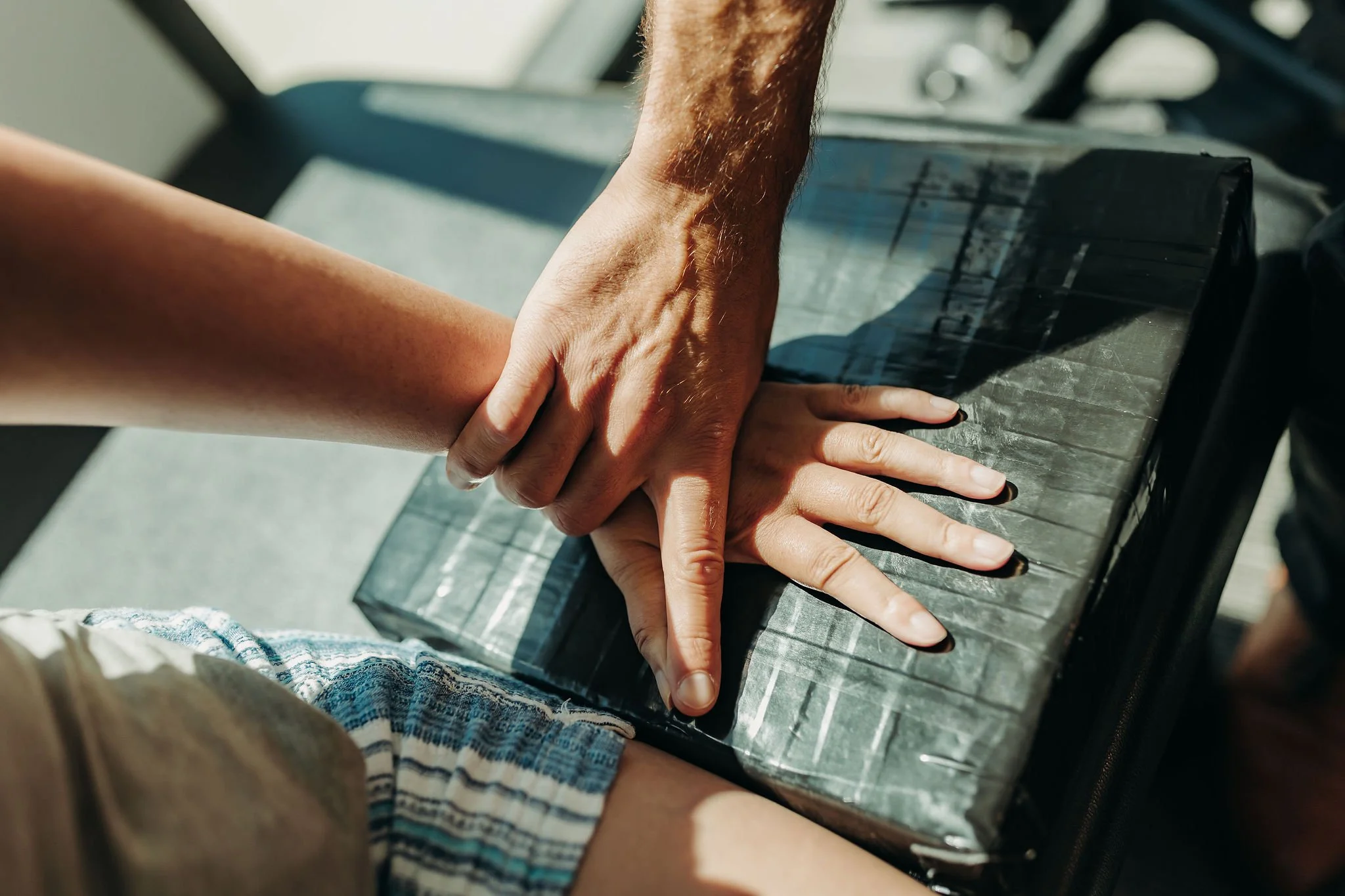
When a hand will not open or a foot catches on each step, an argument with an insurance company about how many visits you may have should not be added to your load. Many of our San Diego clients begin outpatient neuro rehab with us after discharge from a hospital or inpatient rehabilitation program in the region. Our clinic is private and cash-pay. We answer to you rather than an insurer. Every program is individualized.
Your Neurological Recovery Partner: Specialist Care for San Diego
A diagnosis such as stroke or Parkinson’s disease is hard on the body and on the emotions, and many households feel as though ordinary life has stopped. Our therapists have worked with hundreds of people in neuro-rehabilitation, among them patients from La Jolla and Rancho Bernardo. We bring the clinical knowledge and the plan. Your part is the effort, which means steady repetition in sessions and at home.
Your Road to Recovery Begins Here
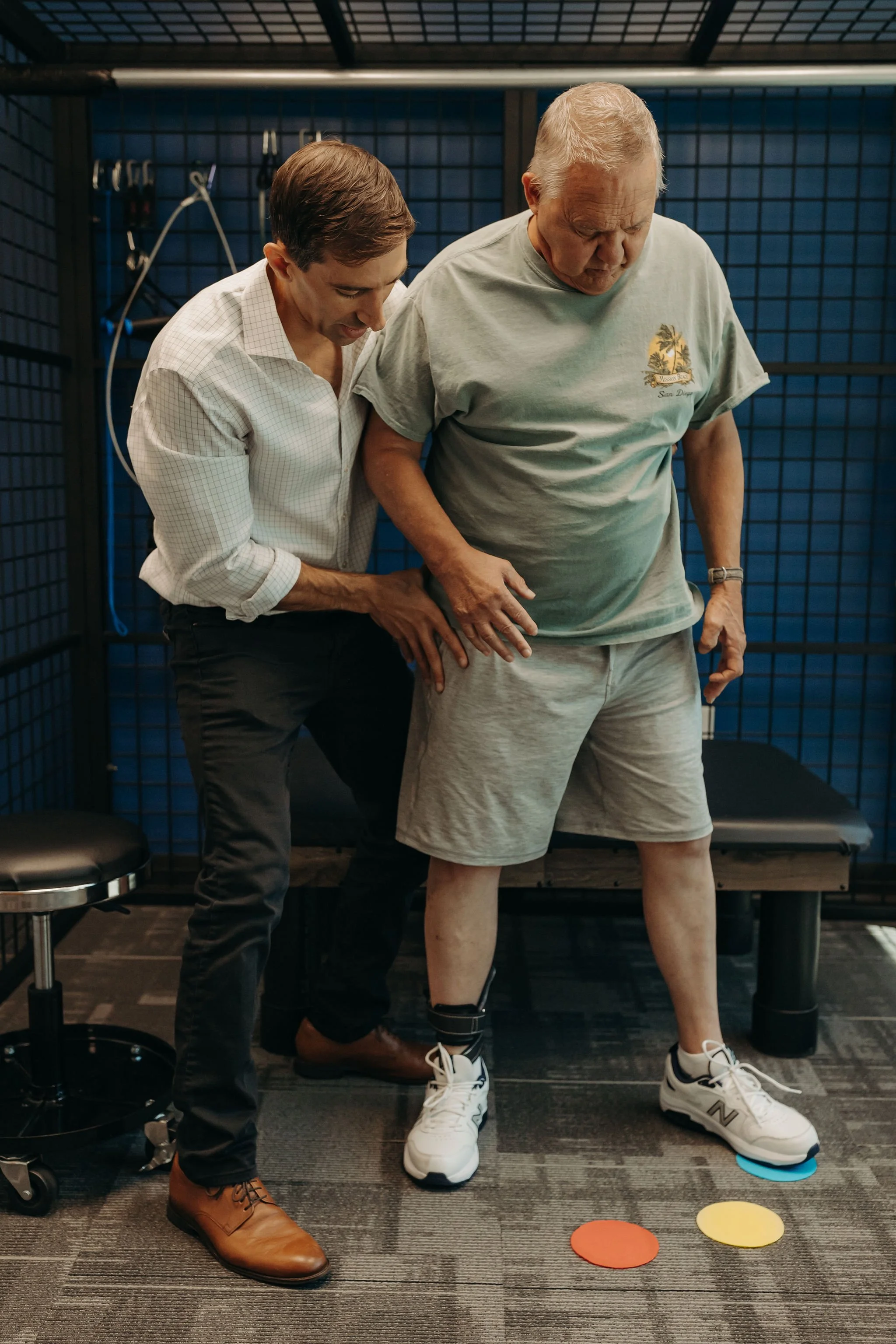
Step 1: Tell Us About Your Story
No two injuries look alike. Phone (760) 652-3739 and describe what happened.

Step 2: Notice the Difference
Begin with one month of care. That first month is a specialized therapy course aimed squarely at neuroplasticity.

Step 3: Lead Your Recovery
Work the plan between visits, and you can begin regaining the movement and confidence you rely on.
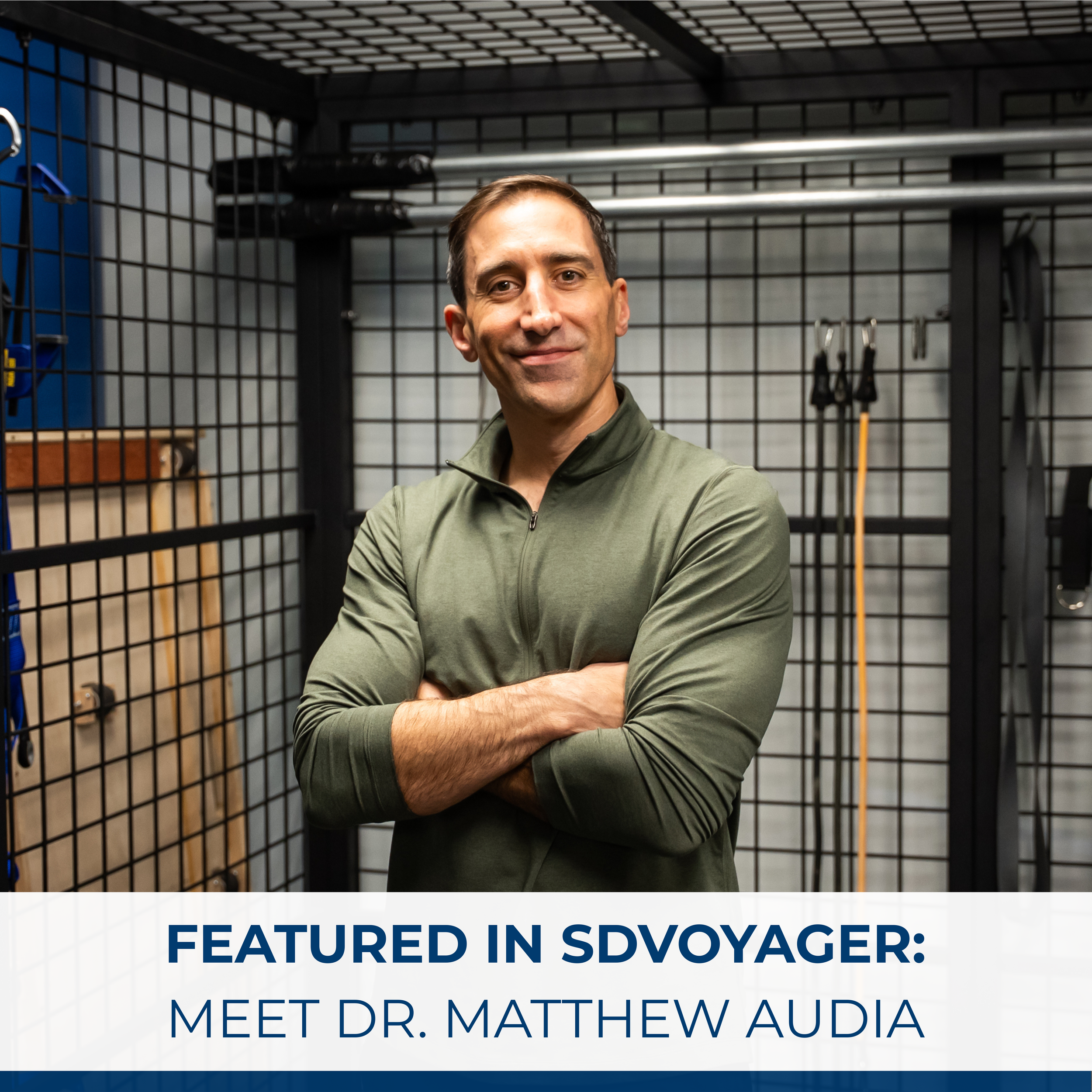
Audia PT Featured in the News
SDVoyager profiled Matthew Audia and the specialist training and commitment to patient outcomes behind our clinic. Select the link below to read the complete interview.
San Diego’s Trusted Specialists in Neurological Recovery & Physical Therapy
Regain Your Confidence With Neuro Rehab
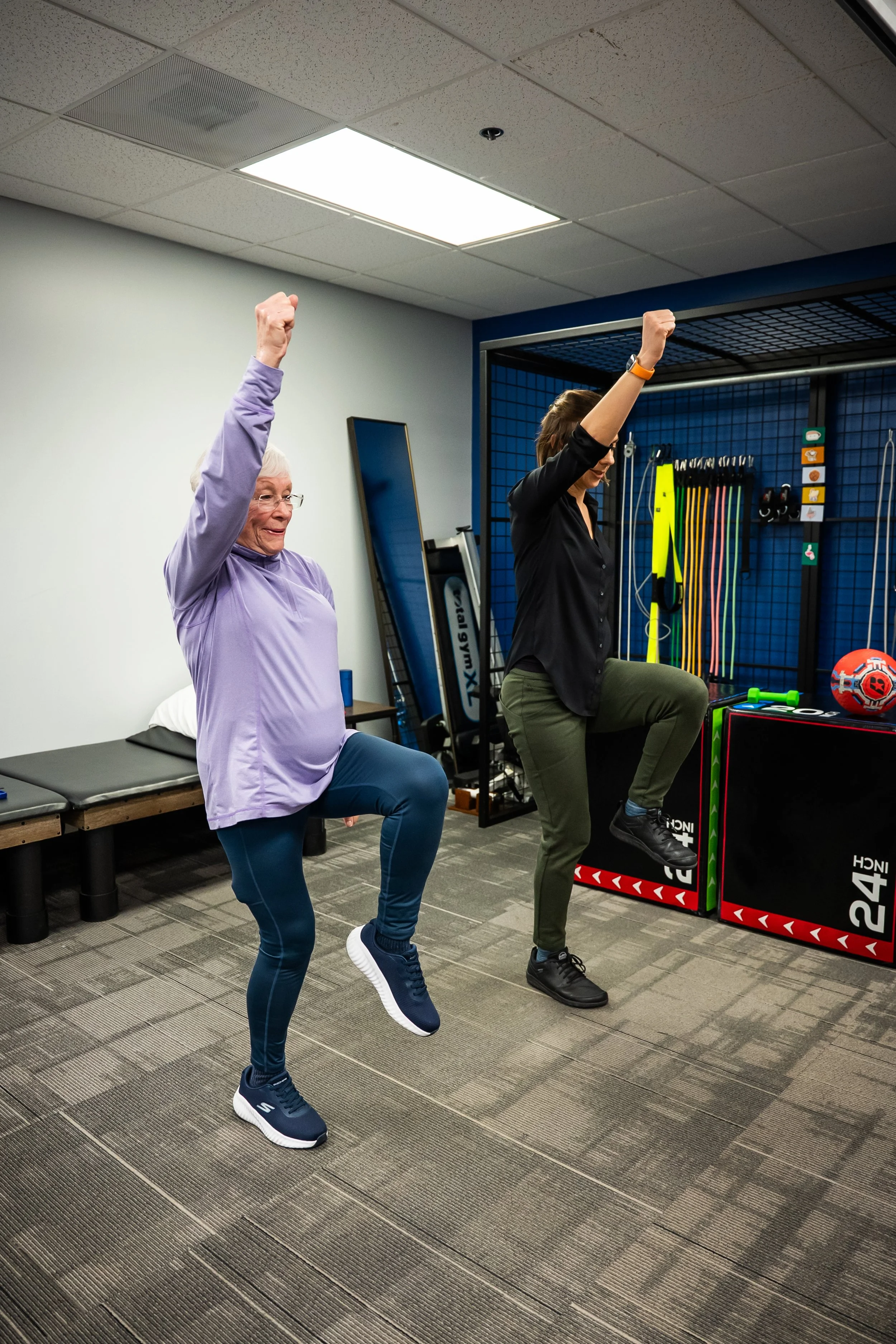
Time matters in neurological recovery. Deciding that further progress is out of reach can stop it before it starts. Weeks of waiting are rarely neutral, because a person who is not practicing movement often loses ground that later has to be won back. Without active treatment, deficits can worsen into long-term complications.
Keep your recovery from stalling by taking the first step today.
Audia Physical Therapy Clinic in Carlsbad, Serving San Diego
You will find us in Carlsbad close to Palomar Airport, in a room where large windows let in plenty of daylight. It stays quiet and intimate. Each visit is one-on-one, with your therapist’s full attention. Patients from Carmel Valley and other parts of San Diego drive north, most often on Interstate 5 or Interstate 15, and because sessions last one to three hours, every trip yields a long stretch of focused therapy.
Common Questions About Neurological Rehabilitation
-
Neurological rehabilitation works through neuroplasticity, the ability of the brain to reorganize and create new connections, and we use that capacity to help a person relearn movements that an injury or disease has disrupted. We rely on it most heavily for stroke and brain injury, for vestibular and balance disorders, for Parkinson’s disease and for complex orthopedic problems. Gains rarely arrive in a neat line. Because no two people recover alike, every plan we write is personal, from the gait drills to the amount of task practice in each session.
-
Residents of San Diego, the large city to our south, come north to Carlsbad for specialized neuro-rehab after a stroke or traumatic brain injury. We also treat multiple sclerosis, spinal cord injury, Guillain-Barré syndrome, cerebral palsy and Parkinson’s disease, plus vestibular disorders and orthopedic rehabilitation, along with balance and healthy aging care. Whatever the diagnosis, your goals set the direction of the program until you trust your own movement again.
-
Our practice at Audia Physical Therapy runs on a cash-pay basis for a practical reason: insurers often cap session length and the number of visits, and the payer decides which treatments it will approve. Caps like these can block the best care. Neurological recovery calls for patient, repeated practice with individual attention, and leaving the insurance system behind lets us shape each plan to your needs rather than to the limits a payer sets. In practice, that means real, uninterrupted time in every session.
Our focus is neurological rehabilitation. Many clients come to us after a stroke or TBI, while others have Parkinson’s disease or a different neurological condition. All sessions are one-on-one and aimed at goals you choose, such as steadier balance and better walking, or more strength and greater independence in daily life.
Clients without Medicare who would like reimbursement may request a superbill, which they can then submit to their own insurer. The rules differ for Medicare. We cannot provide a superbill for submission to Medicare or to any Medicare secondary policy.
-
Sessions never run under an hour. For some diagnoses a visit can last as long as three hours, and most clients recovering from a stroke or TBI come in two or more times per week. Cash-pay is what allows this extra time, because we can look closely at what your brain and body need and pace the work around fatigue instead of watching the clock.
-
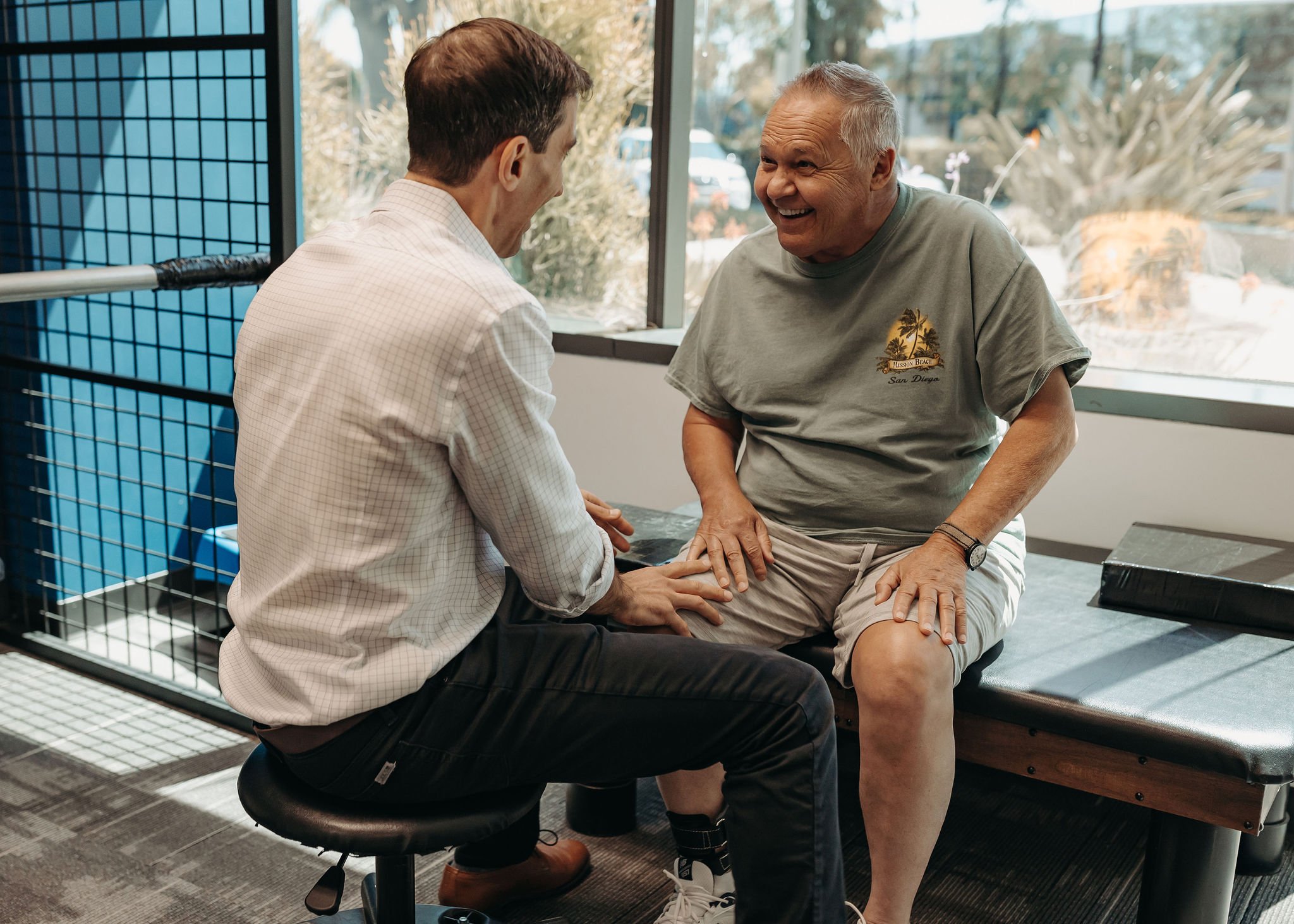
Yes, at every session. No aide or assistant ever takes over. Your physical therapist works with you directly in a quiet area of the gym kept for individual sessions, and you will be treated like family by someone who cares a great deal about your progress. Our aim is the fullest recovery each client can reach, and that is easier when the person adjusting your exercises is the same one who watched you move last week.
-
Our view of care covers the whole person, and family members are often taught how to help with practice at home. The work can mean writing a home exercise program, changing a brace, refitting a wheelchair seating system or reconsidering the shoes you wear. Any equipment for the hand or for fine-motor tasks can come from us as well. We outsource nothing. If something limits your movement or your independence, it goes into the plan.
-
Few questions come up at a first visit as often as this one, and there is usually a reason behind the timing. When a neurological condition alters your gait or posture, the rest of the body starts compensating, and that extra strain over time often surfaces as new pain. We search for the cause of that pattern instead of chasing each sore spot, and your plan is then built around correcting the movement itself, with gait training and balance work where they apply.