

Neurological Rehabilitation in Vista
A neurological diagnosis does not have to decide your future. With a recovery plan written for your own body and goals, you can regain the ability to move and work back toward the errands and walks you value around Vista Village.
Get Your Confidence Back: Neuro-Rehabilitation & Physical Therapy Serving Vista


Neuro Rehab & Physical Therapy for Vista Residents
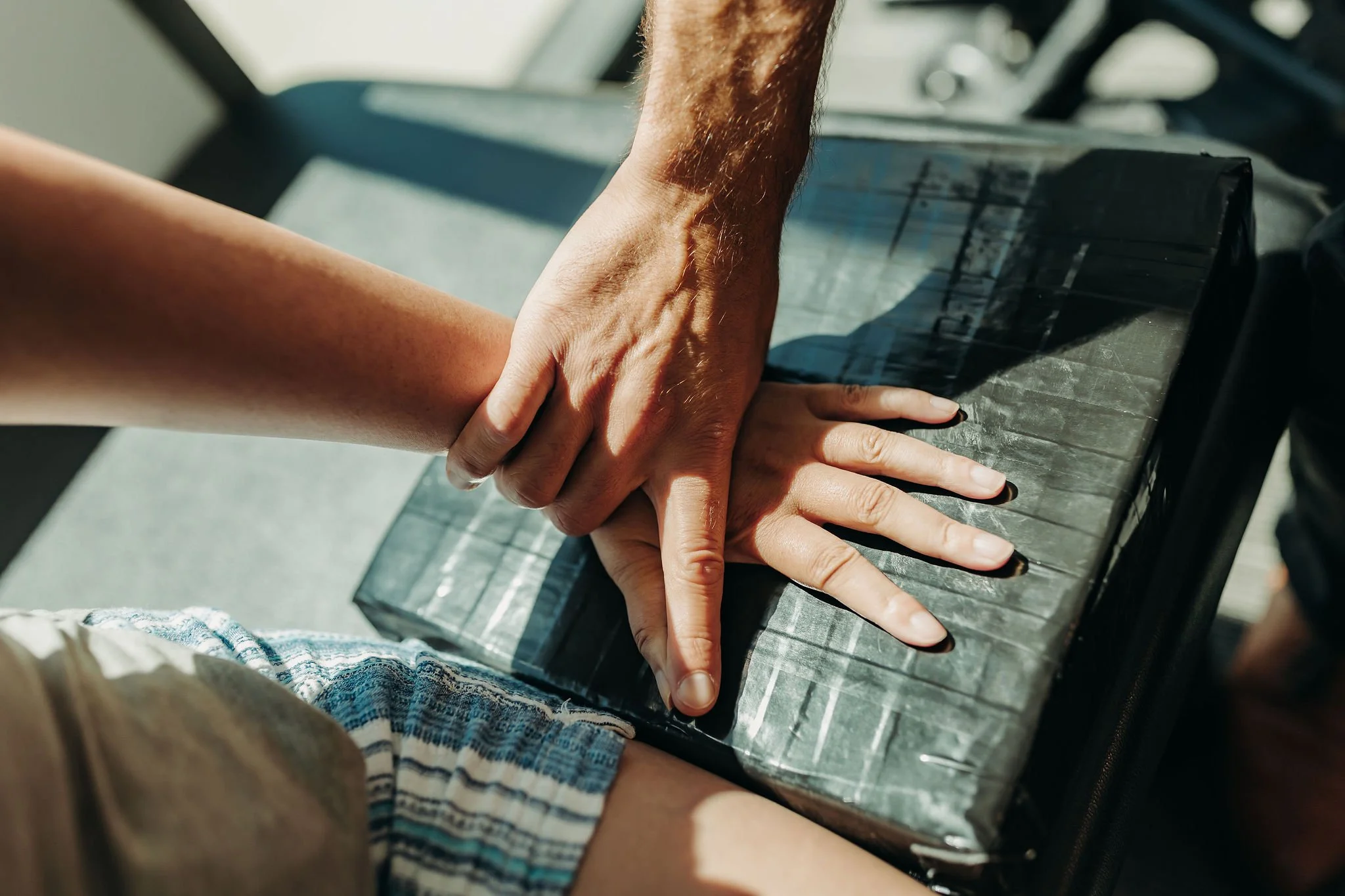
A leg or an arm that refuses to cooperate is hard enough to live with, and Vista families should not also have to argue with an insurer about what care is allowed. Ours is a private clinic, and clients pay us directly. Our obligation runs to our clients instead of to insurance companies, and that independence lets us build an individual program around what each client came to us hoping to get.
A Partner in Your Neurological Recovery: Expert Care Near Vista
Living with a stroke or brain injury, or with Parkinson’s disease, is hard on both body and mind, and many people say their lives feel suspended. The number of people our therapists have taken through neuro-rehabilitation runs into the hundreds. We bring clinical expertise and a plan. You bring the persistence. Many Vista homes sit on hills, and our goals often include a sloped driveway or the front stairs.
The Path to Recovery Begins Here
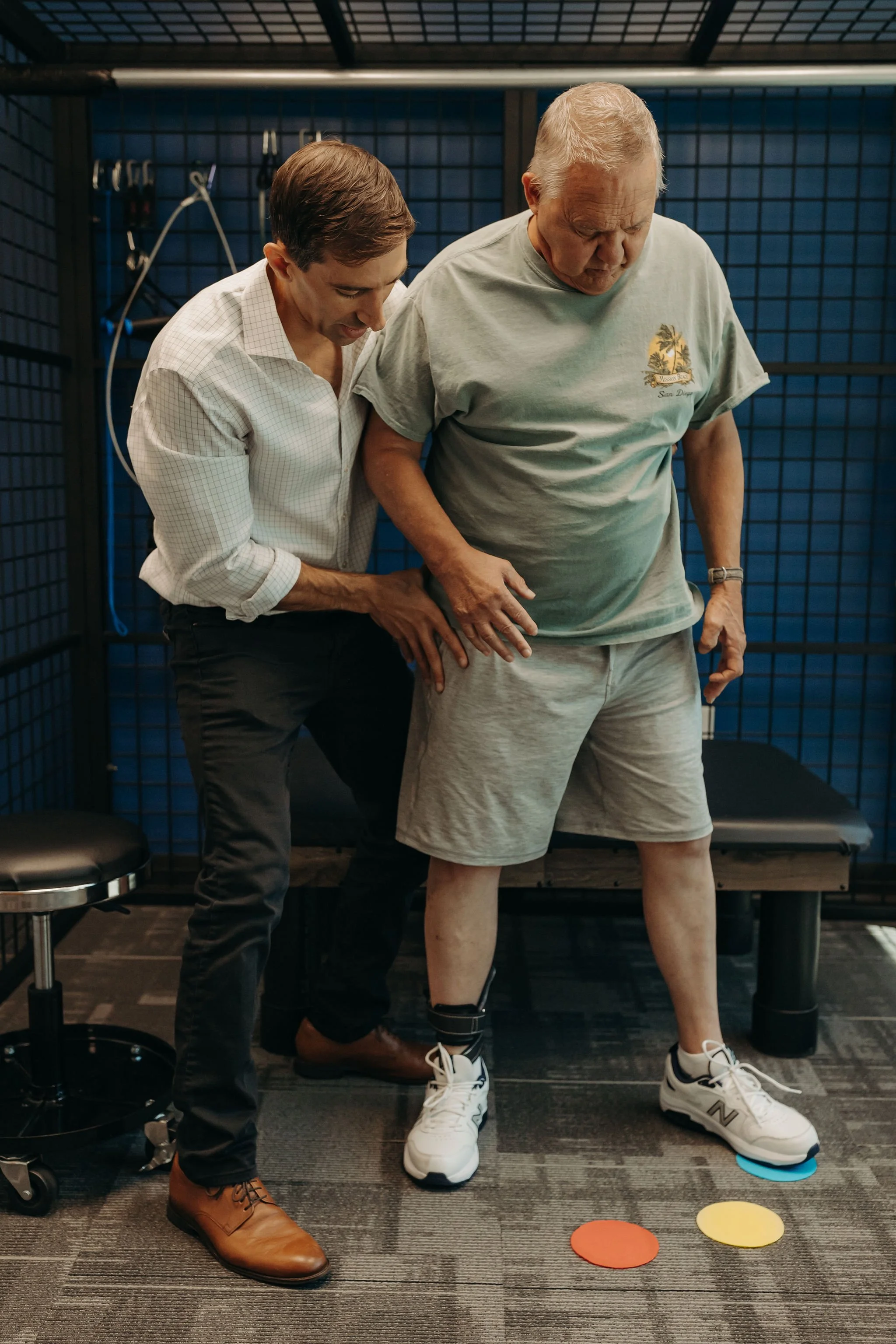
Step 1: Tell Us What Happened
No two injuries are alike. Start by calling (760) 652-3739 and describing what happened.

Step 2: Experience the Difference
Begin with your first month: a specialized therapy course organized around neuroplasticity and the high number of repetitions it calls for.

Step 3: Make Your Recovery Your Own
Stick with the plan your therapist sets, and keep working toward the movement and confidence your daily life depends on.
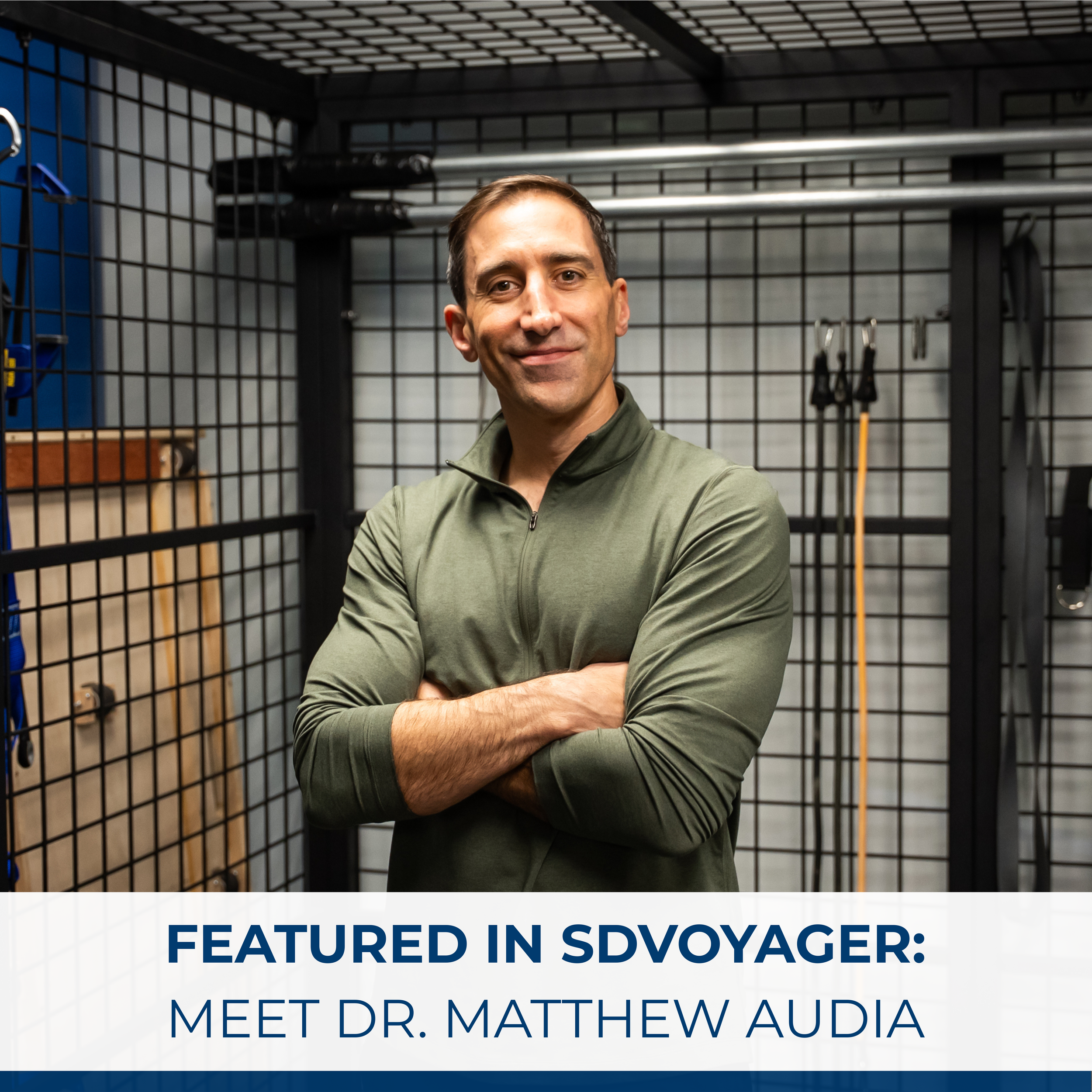
Audia PT in the News Media
Read the SDVoyager feature on Matthew Audia to learn how a commitment to patient outcomes and advanced specialist training shape the way our clinic works with each client.
Trusted by Vista Families: Specialists in Neurological Recovery & Physical Therapy
Rebuild Your Confidence With Neurological Rehab
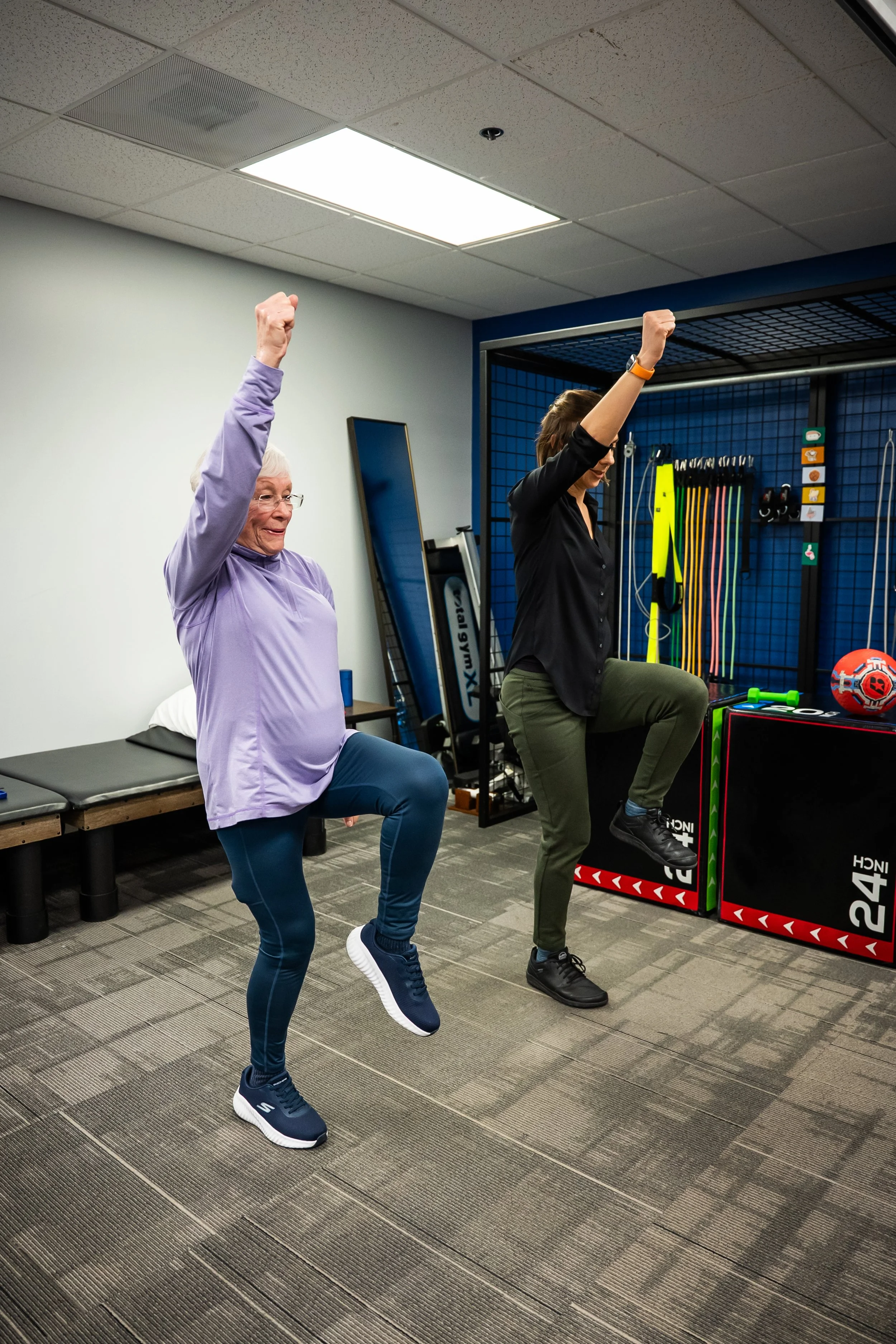
In neurological recovery, each day matters. If you conclude that improvement is impossible, that belief can become the very thing that stops it. Waiting is rarely neutral, because a body without active treatment tends to lose ground, and untreated deficits may progress into worsening function and long-term complications.
Book a first visit now so your recovery does not stall.
Audia Physical Therapy Clinic in Carlsbad, Close to Vista
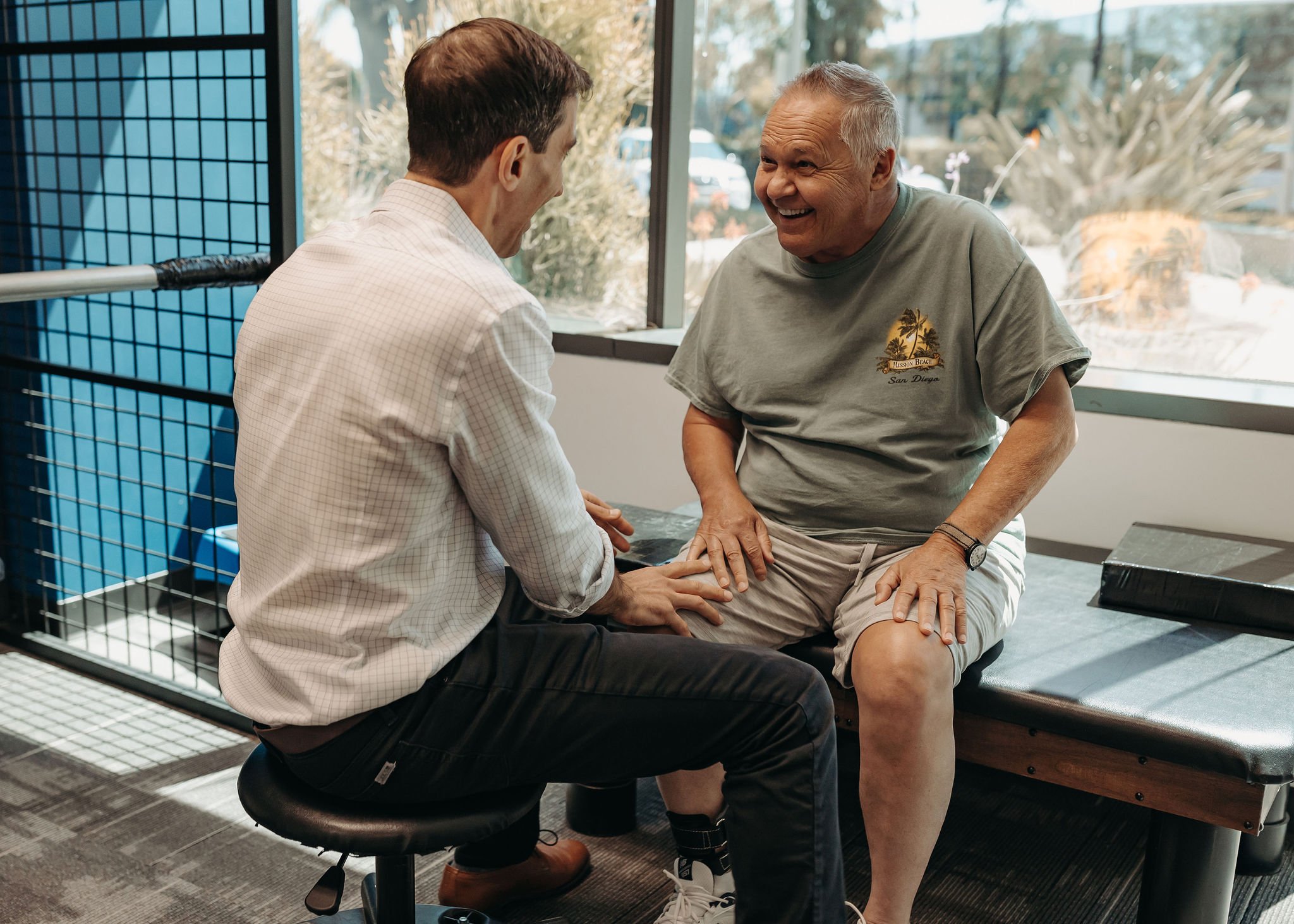
You will find us in Carlsbad close to Palomar Airport. For families in Vista, which lies inland to the east along the State Route 78 corridor, getting here is a short drive west. Large windows let in plenty of daylight. We hold the setting quiet and intimate, and your physical therapist stays with you one-on-one for the whole session and gives you full attention throughout.
Frequently Asked Questions About Neurological Rehab
-
This kind of rehabilitation rests on neuroplasticity, meaning the way the brain can rewire itself and form new connections, and it helps people relearn the movement skills they have lost. It shapes how we work with stroke survivors and people with brain injury or Parkinson’s disease, along with balance and vestibular disorders and complicated orthopedic cases. Because recovery from these conditions follows an uneven course and looks different for each person, each Audia Physical Therapy plan is written for one client alone.
-
Vista patients make the trip to our Carlsbad clinic to receive specialized neuro-rehabilitation in the wake of a stroke or TBI and for multiple sclerosis, Parkinson’s disease, cerebral palsy, Guillain-Barré syndrome, spinal cord injury and vestibular disorders, plus balance and healthy aging care alongside orthopedic rehabilitation. Many of them live on hillside streets. Practicing curbs and inclines often becomes part of their sessions. Each program follows your diagnosis and goals, aiming to restore your trust in your own movement.
-
Insurers often put a ceiling on session length and on the number of visits. They also decide which treatments they will pay for, and such limits can stand in the way of good care. Neurological recovery demands time and repetition along with individual attention, and we left the insurance system for that reason, since being outside it lets us shape treatment around your needs instead of around a payer's rules. Paying directly means every session gives you real, uninterrupted time with your therapist, from the first minute to the last.
Our specialty is neurological rehab and physical therapy, and we see people with Parkinson’s disease, stroke or TBI, along with other neurological disorders. Every appointment is spent one-on-one, with each minute aimed at your goals. For one person that means steadier balance and walking; for another it means strength and coordination, or else greater confidence and independence in everyday life.
Clients outside Medicare who would like to pursue reimbursement can obtain a superbill to file with their own insurer. For anyone covered by Medicare, we are unable to submit a superbill either to Medicare or to any secondary insurance plan.
-
No visit runs shorter than one hour, and for certain diagnoses a session may last as long as three hours. Most clients recovering after a stroke or TBI are here on at least two days each week. Those longer sessions exist because clients pay us directly, and the extra time lets us study what your muscles and nervous system need and then work on it through many repetitions of gait and balance practice, with rest breaks placed where fatigue would otherwise cut the session short.
-
Yes, at every visit. No one here at Audia Physical Therapy gets passed along to an assistant or an aide partway through a session or between visits. We want every person we treat to reach as much of their potential as possible, and your physical therapist stays closely invested in your progress and treats you as family. Every session takes place with that therapist directly, in a quiet and dedicated part of the gym.
-
Care here covers the entire person, from head to feet. In practice that can mean writing your home exercise program and teaching family members to help. It can also mean adjusting your bracing or wheelchair seating system, or changing the shoes you wear. Should you need equipment for hand use or fine-motor work, we provide that too. No part of this is outsourced. If something restricts your mobility or your ability to manage alone, it becomes part of the care plan.
-
Among the questions new clients raise at a first visit, this may be the most frequent, and the new pain rarely appears by chance. Once a neurological event alters the way you walk or stand, muscles and joints elsewhere start picking up the slack, and those patterns often lead to new pain over time. Instead of treating only the symptoms, we search for where the pain begins and then focus your program on correcting it, which often means retraining the way you walk or hold your posture.